
1
Carefully Packed
Every order is carefully packaged to maintain the required temperature for cold chain medicines and vaccines.
1 Vial(s) Of 1ml
Inclusive of all taxes
Inclusive of all taxes
Anti D 300mcg Injection contains ANTI RH D IMMUNOGLOBULIN and is marketed by BHARAT SERUMS & VACCINES LTD. Country of origin: India. This pack is 1 Vial(s) Of 1ml, priced at ₹3,474.15 inclusive of all taxes (about 14% off MRP). A valid prescription is required to order this medicine. This product needs cold-chain storage and handling. On MedsRight, Anti D 300mcg Injection is organised under the Others speciality and the Immunoglobulins condition category.
From salt and price to delivery — the essentials in one short read, in about 30 seconds time.
Salt composition: ANTI RH D IMMUNOGLOBULIN — that is what goes into Anti D 300mcg Injection as the active part of the medicine. more options with same salt
Pack & price: You pay ₹3,474.15 for 1 Vial(s) Of 1ml, including all taxes. The MRP printed on the pack is ₹4,062.98 — you save roughly 14% versus that.
Per-unit value: Roughly ₹3,474.15 per unit — handy when you want to compare this pack with a bigger or smaller one.
Medical speciality: MedsRight files Anti D 300mcg Injection under “Others” — the same kind of department-wise grouping you see in clinics and hospitals. Explore this speciality
Condition category: We link it to “Immunoglobulins” so you can find it when you shop by health topic, not only by salt or brand. Browse this condition
Marketer: BHARAT SERUMS & VACCINES LTD is the company behind this brand pack — the name you will usually see on invoices and packaging.
Country of origin: Country of origin for this pack is India.
Prescription: You will need a valid prescription to buy Anti D 300mcg Injection. Take it only the way your doctor told you.
Storage & handling: Keep the cold chain: store and carry it the way the strip, carton, and leaflet say, especially if it must stay chilled.
Dispatch: We use Indian Standard Time. Order before 3:00 PM and your parcel is usually lined up to leave the warehouse the next working day (“Tomorrow”). After 3:00 PM, it slips to the following slot (“Day after”).
Doorstep delivery: After it leaves the warehouse, most addresses get it in about 3–4 days, depending on pincode and courier. Rural or remote areas can take a bit longer.
Availability: It should be possible to add Anti D 300mcg Injection to your cart right now. Stock can run out if many people order at once, so finish checkout if you need it soon.
Anti-D 300mcg injection contains anti-Rh(D) immunoglobulin, a blood product that prevents Rh disease in newborns. It is given to Rh-negative mothers to stop their immune system from developing antibodies against Rh-positive blood cells from their baby. This protection is crucial during pregnancy and after delivery, as it prevents serious complications in future pregnancies. Anti-D injection is a safe, routine preventive treatment used in obstetric care worldwide.
This medication works by neutralizing Rh-positive fetal red blood cells that may enter the mother's bloodstream during pregnancy or childbirth. By doing this, it prevents the mother's body from recognizing these cells as foreign invaders. Without Anti-D injection, Rh-negative mothers carrying Rh-positive babies face an increased risk of developing Rh sensitization, which can lead to hemolytic disease of the newborn (HDN) in subsequent pregnancies.
Anti-D injection is not suitable for Rh-positive mothers or those already sensitized to Rh antigens. It must be administered by a healthcare professional and stored carefully to maintain its effectiveness.
Key points
Anti-D 300mcg injection works by binding to Rh-positive fetal red blood cells that enter the mother's bloodstream during pregnancy, labor, or delivery. The antibodies in this injection coat the surface of these fetal blood cells, marking them for destruction before the mother's immune system can recognize them as foreign. This process, called immune suppression, prevents the mother's body from producing its own antibodies against Rh(D) antigens. By eliminating these Rh-positive cells before sensitization occurs, Anti-D injection effectively blocks the development of Rh antibodies that could otherwise cross the placenta and attack the red blood cells of an Rh-positive baby in future pregnancies, thus preventing hemolytic disease of the newborn.
Anti-D 300mcg injection is administered by a trained healthcare professional. The medication can be given as an intramuscular (IM) injection or intravenous (IV) infusion, depending on your doctor's recommendation and clinical circumstances. The timing of administration is critical—it should be given as soon as possible after delivery, miscarriage, or other events where fetal-maternal hemorrhage may occur, ideally within 72 hours.
Instructions
Timing
During pregnancy: typically at 28 weeks of gestation. After delivery or other sensitizing events: within 72 hours of the event. Follow your doctor's specific schedule.
Missed dose
If you miss a scheduled dose of Anti-D injection during pregnancy, contact your healthcare provider immediately. The effectiveness of the injection depends on timely administration. Your doctor will advise on whether a delayed dose is still beneficial.
Overdose
Anti-D injection is administered only in specific doses determined by your doctor based on the extent of fetal-maternal hemorrhage. Overdose is unlikely in clinical practice as the medication is controlled by healthcare professionals. If you have concerns about the dose administered, discuss them with your healthcare provider.
Anti-D 300mcg injection is routinely and safely administered during pregnancy to Rh-negative mothers. It is commonly given at 28 weeks of gestation and after delivery to prevent Rh sensitization. This medication is an essential part of prenatal care for eligible mothers.
Tip: Consult your healthcare provider about the appropriate timing and dosage during your pregnancy. Anti-D injection is a standard preventive treatment and should not be avoided during pregnancy.
Anti-D 300mcg injection is not contraindicated during breastfeeding. The components of this blood product do not pass into breast milk in significant amounts, making it safe for nursing mothers and their infants.
Tip: You may safely receive Anti-D injection while breastfeeding. No changes to your breastfeeding routine are necessary.
While Anti-D injection is primarily a blood product that does not depend on liver metabolism, individuals with liver disease should consult their healthcare provider before administration. Liver conditions may affect immune function and the body's response to the injection.
Tip: If you have liver disease or elevated liver enzymes, inform your doctor before receiving Anti-D injection. Your healthcare provider will assess whether the medication is appropriate for your situation.
Individuals with kidney disease should consult their healthcare provider before receiving Anti-D injection. Some immunoglobulin products can be associated with acute kidney injury, particularly in patients with pre-existing renal impairment.
Tip: Inform your doctor if you have kidney disease or are on dialysis before receiving Anti-D injection. Close monitoring may be recommended.
There is no direct interaction between Anti-D 300mcg injection and alcohol. However, excessive alcohol consumption can negatively affect immune function and overall health, potentially reducing the effectiveness of preventive treatments.
Tip: Avoid excessive alcohol consumption. Moderate alcohol intake is generally acceptable, but discuss your alcohol use with your healthcare provider if you have concerns.
Anti-D injection may cause side effects such as fatigue, dizziness, or malaise in some individuals. These effects could temporarily impair your ability to drive safely, particularly if they occur shortly after administration.
Tip: After receiving Anti-D injection, avoid driving if you experience dizziness, fatigue, or any symptoms that affect your alertness. Wait at least a few hours or until you feel completely well before operating a vehicle.
Anti-D 300mcg injection may interact with certain medications and vaccines. It is important to inform your healthcare provider about all medications you are taking, including prescription drugs, over-the-counter medicines, vitamins, and herbal supplements, before receiving this injection.
Major interactions
Precautions
Important
Do not take any new medications or vaccines without consulting your healthcare provider after receiving Anti-D injection. Some medications may reduce the effectiveness of this treatment or increase the risk of serious side effects.
🌡 Store at 2–8°C (refrigerator temperature)
Keep in a cool, dark place away from direct sunlight
Guaranteed Temperature-Controlled Handling and Shipping — We maintain strict cold chain compliance for temperature-sensitive medicines from storage to delivery.
Every order is carefully packaged to maintain the required temperature for cold chain medicines and vaccines.
Our pharmaceutical storage facilities are closely monitored and verified to ensure proper temperature conditions.
We use insulated containers and temperature monitors for safe transport of temperature-sensitive medicines.
This medicine requires a valid prescription from a registered medical practitioner (doctor). As per Indian regulations, prescription-only medicines cannot be sold without a valid Rx.
You will need to upload your prescription during checkout. We accept clear images or PDF of your doctor's prescription.
Consult your doctor before taking any medicine. Never self-medicate with prescription drugs.
MedsRight is committed to providing consumers with reliable, accurate, and expert-validated healthcare information. All content published on this website is intended solely for general informational and educational purposes. It should not be considered a substitute for professional medical advice, diagnosis, or treatment.
We strongly encourage you to consult a qualified doctor or healthcare professional for guidance regarding any medical condition, symptoms, or medications. Never ignore or postpone seeking professional medical advice because of information you have read on MedsRight.
Our goal is to empower patients with trustworthy information while fully respecting and preserving the integrity of the doctor–patient relationship.

How anti cancer medicines in India are supplied lawfully, why prescriptions matter, and what to check before you buy cancer medicine in India from a verified pharmacy.
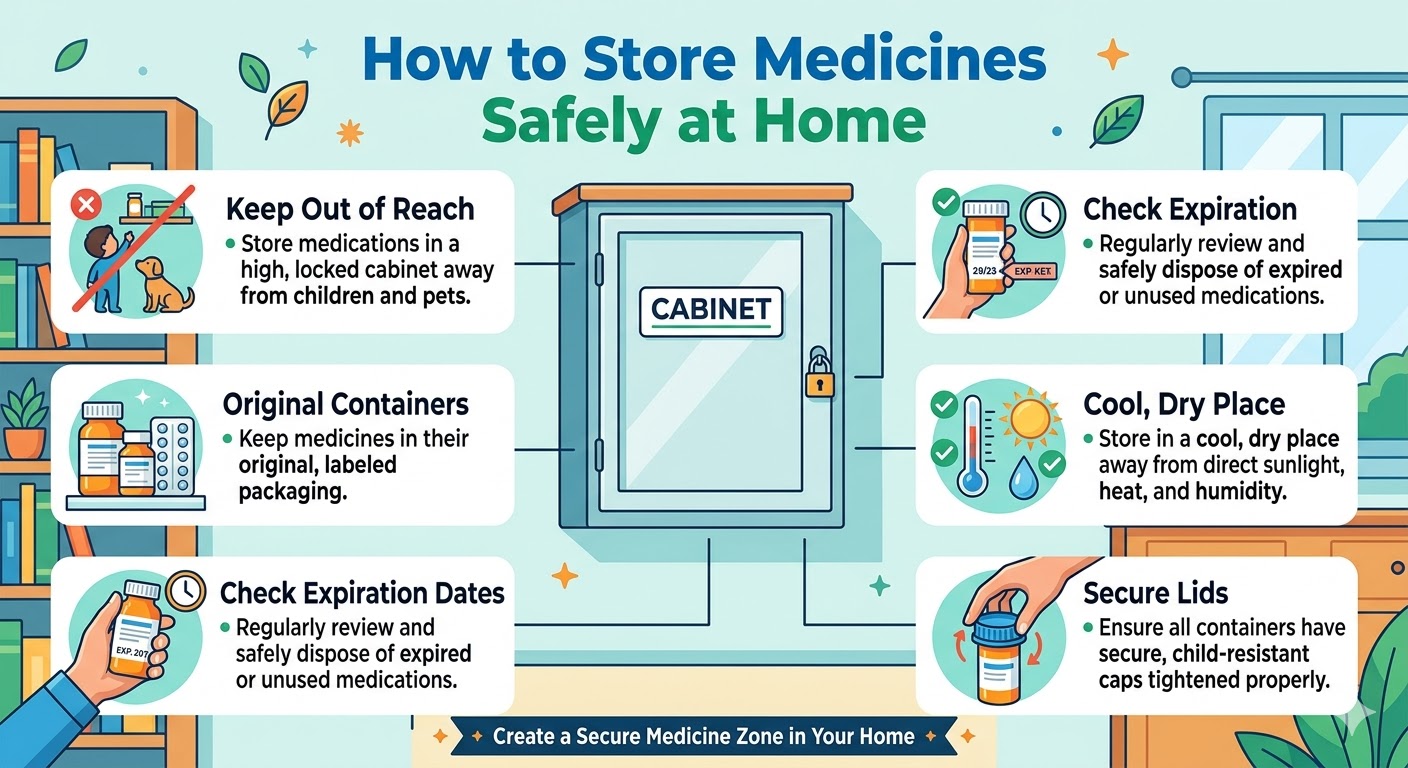
Learn the correct way to store medicines at home to maintain their effectiveness and prevent harm. Discover temperature control, storage locations, and safety tips.
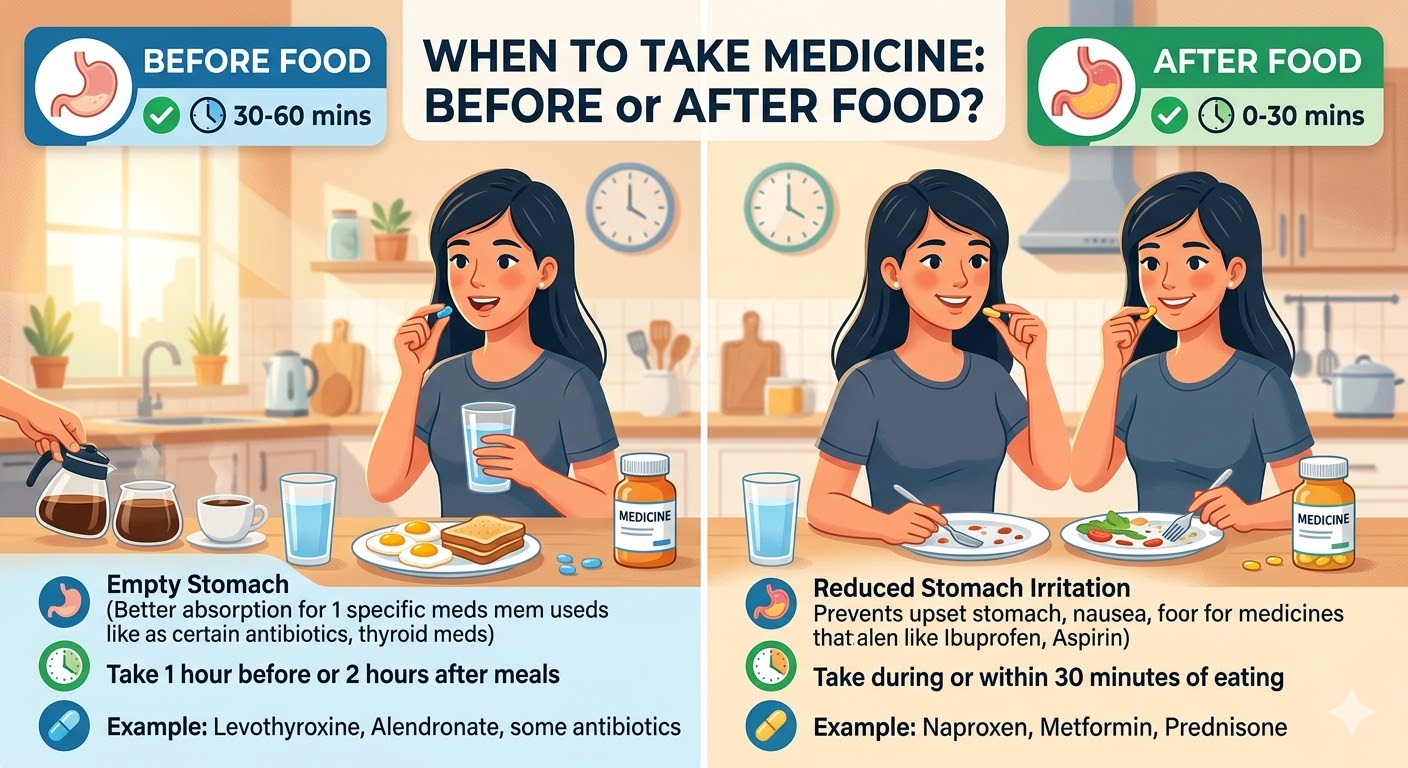
Discover whether to take your medicines before or after meals. Understand how food affects medicine absorption and get expert guidance for different medication types.

A well-stocked first aid kit is essential for every household. Discover what items to include, organization tips, and how to respond to common emergencies.
Practical guidance for cancer medicines online and anti cancer medicines online — prescriptions, safety checks, and what to expect when you buy cancer medicines online.
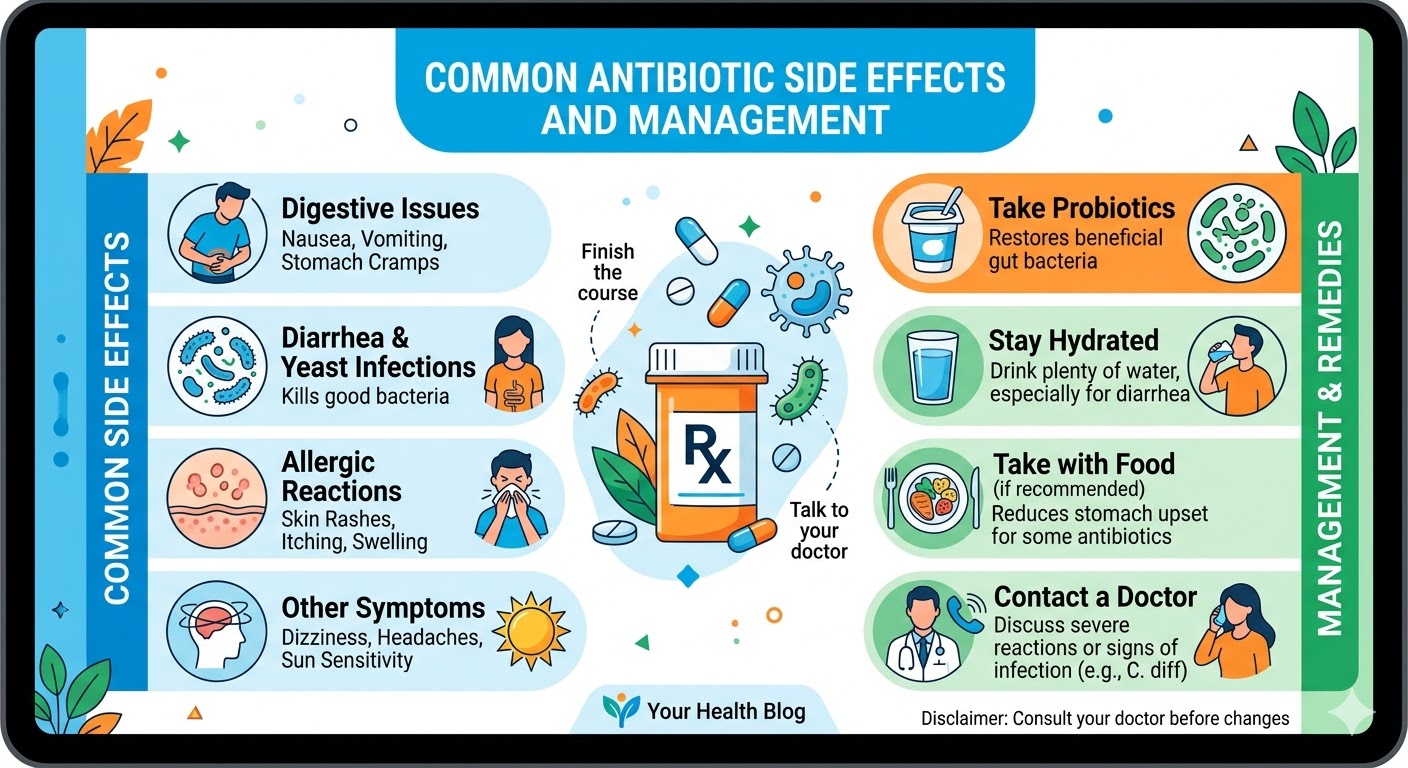
Antibiotics save lives but can cause side effects. Learn about common reactions, how to manage them, and when to contact your doctor for proper guidance.
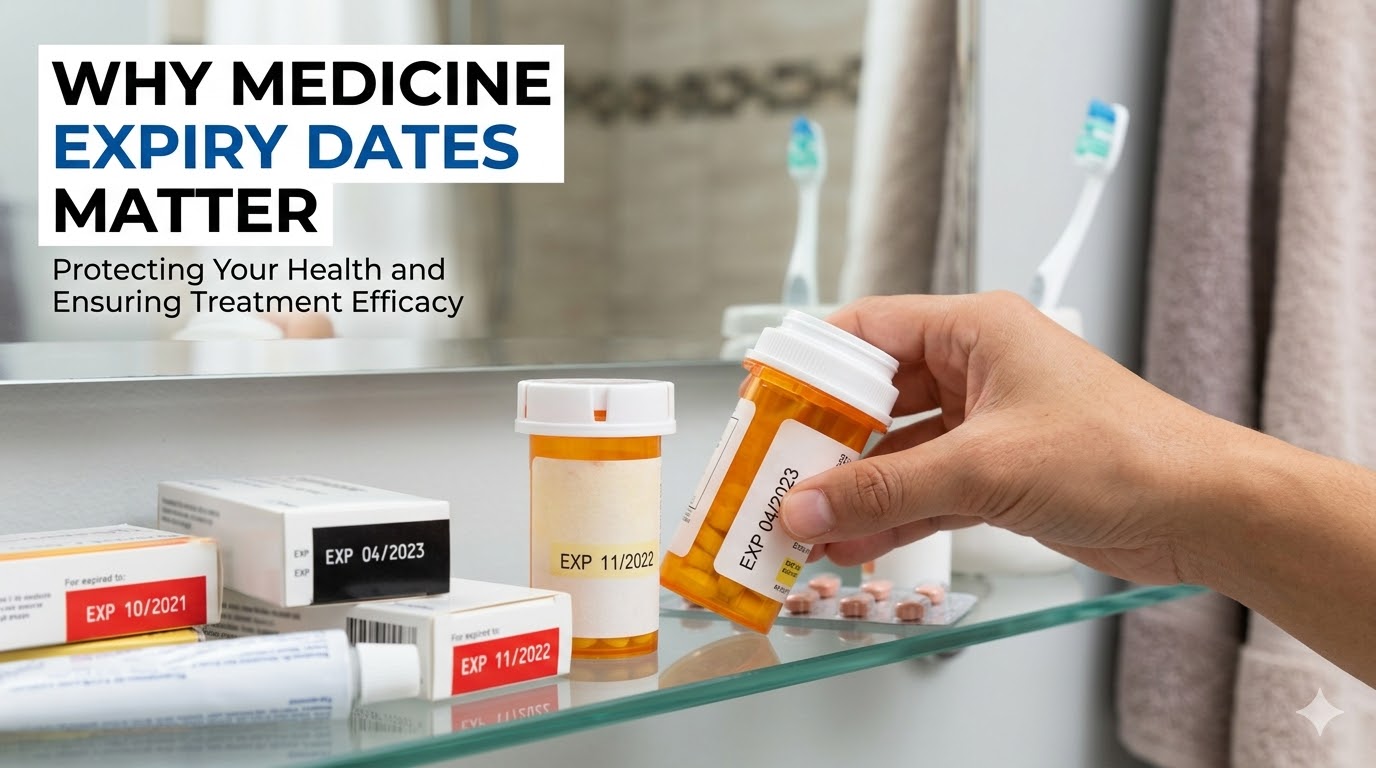
Expired medicines lose potency and can become harmful. Learn why expiry dates are critical, how to check them, and safe disposal methods for old medicines.

Explore natural Ayurvedic remedies for treating common cold and cough. Learn about traditional healing ingredients and how to use them safely and effectively.
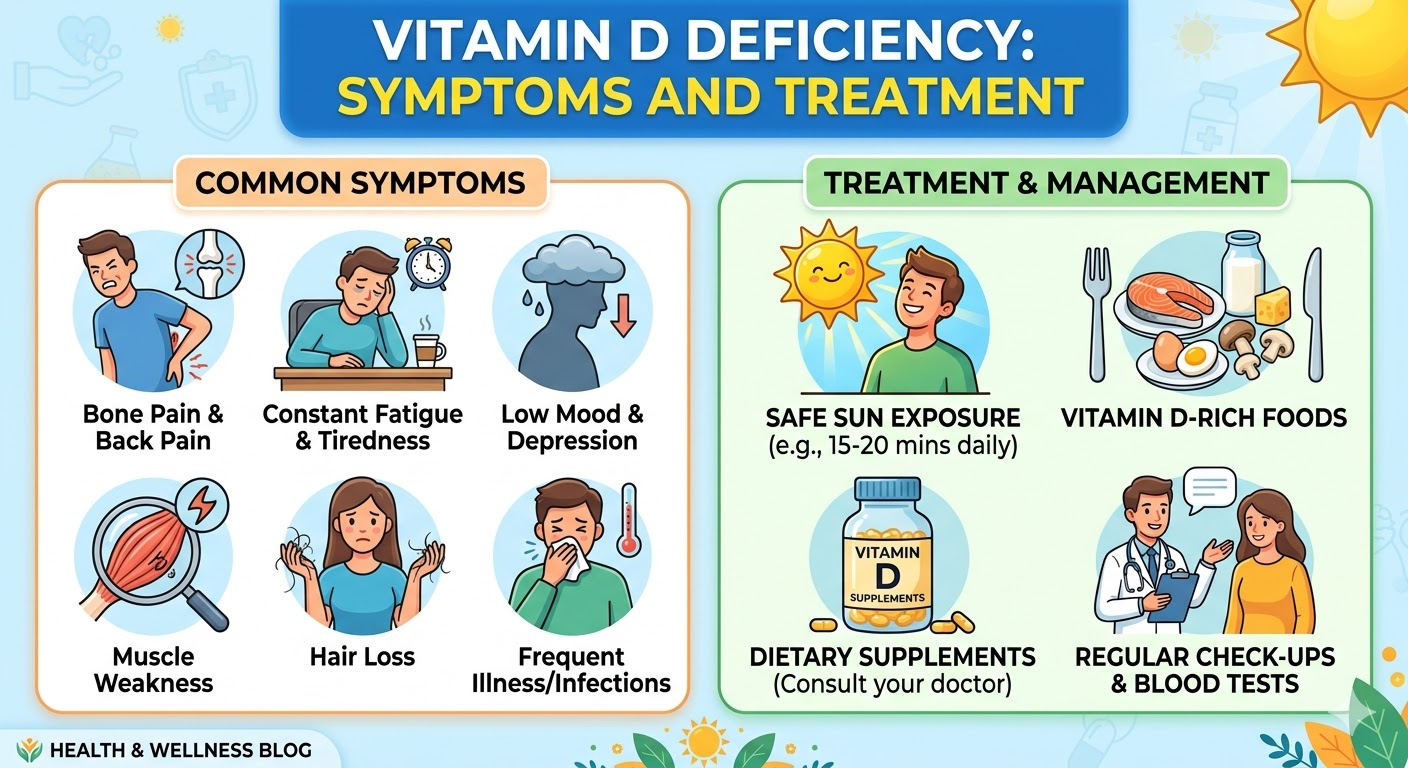
Vitamin D deficiency is widespread. Learn symptoms, causes, testing methods, and how to treat deficiency through diet, supplements, and sunlight exposure.

Effective diabetes management combines proper medications with lifestyle changes. Learn about diabetes drugs, medication schedules, and daily management strategies.

Genuine medicines and healthcare essentials delivered to your doorstep.
OTP sent to
+
Resend OTP in